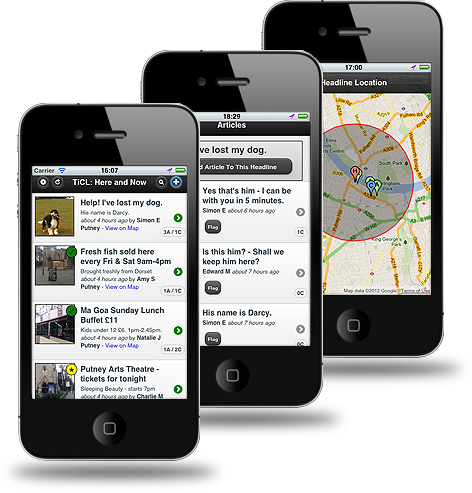
Trees that need watering locally are called a Tree Watering Group
Find or create your own local tree watering group
If you go to the TiCL website www.ticl.me and put your postcode into the ‘Search Location’ box, if there is a local watering group near you it will show as a pin near the figure in the centre of the map.
If there isn’t a watering group near you and you’d like to tell people about trees you know about that need watering locally, create one here
Befriend a Tree
Pledge to water one or more local trees regularly
Join the local branch of the TiCL National Tree Watering Scheme and become a local Tree Watering Champion! #TogetherWeCan
The TiCL National Tree Watering Scheme
Local Tree Watering Champions and opportunities for locals to ‘Befriend’ a tree or trees
New trees need regular watering in the first few years after planting. The TiCL National Tree Watering Scheme helps identify local trees that need extra water for individuals to ‘Befriend’ – that is give water regularly to, during the hottest parts of the year.
By matching individuals to trees (usually their closest) in this way, tree watering can be effectively and efficiently shared locally preventing gaps (missed trees) and duplication of effort. The scheme supports community involvement in a worthwhile project that has a direct benefit to the local environment.
A local Tree Watering Champion (which could be an individual or a Group) selects a group of local trees that need watering (trees with stakes and pipes) and creates a map of those trees (a watering group) using TiCL App IOS or Android. The virtual map created and physical tree labels help the Tree Watering Champion promote the trees that need befriending.
People discover the trees in the watering group and ‘Befriend’ them – each person focuses their attention on a particular tree for regular watering during the hottest part of the year.
The local Tree Watering Champion encourages the Group with App notifications to prompt tree watering during particularly dry periods and everyone helps find new tree waterers locally to befriend more trees in their watering group.
So… could you befriend a local tree and agree to water it regularly?
and/or
Could you champion local tree watering – become a local Tree Watering Champion.

Could you be a local Tree Watering Champion?
A local tree watering champion identifies local trees that need watering and then uses tree labels and TiCL App to find people to ‘Befriend’ those trees (i.e. water them regularly) – these trees and their befrienders are their ‘tree watering group’.
Note that The Tree Watering Champion and the tree befrienders can remain anonymous using this system.
How it works:
The Tree Watering Champion first identifies and creates a map of the local trees that need watering (those with stakes and pipes) using TiCL App – instructions here – it’s easier than you think!
The Tree Watering Champion might also hang a label on the trees in their watering group to identify them as being in need of befriending (regular watering) – download a label here.
As people befriend trees in the watering group the tree watering champion gets a notification via TiCL App that the tree has been befriended.
The Tree watering champion can send a notification to the whole tree watering group via TiCL App to prompt everyone to water their trees during hot weather.
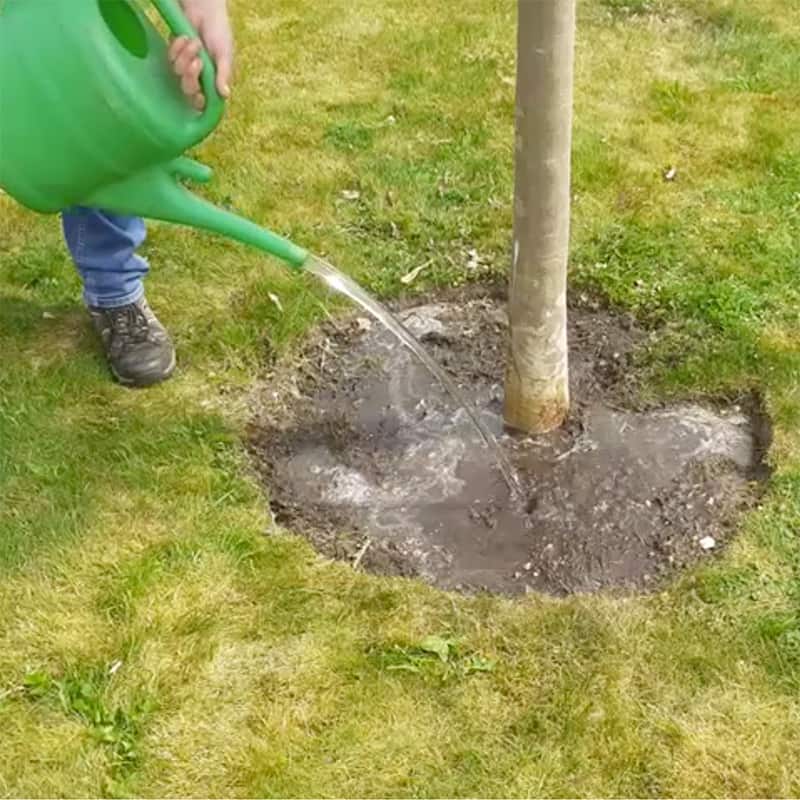
Befriending a local tree
– every tree deserves a best friend!
New trees (those with stakes and pipes) need regular watering during the hottest part of the year. See instructions for watering trees here.
Although Councils water the trees they plant, the trees simply often don’t get the regular watering they need during the hottest part of the year. Even if the thirsty trees don’t die, they are prone to disease and poor growth – by befriending a tree you pledge to give it some regular top up watering during the driest parts of the year during its first few years.
Just think – if every tree had a best Friend then all our local trees would thrive – #TogetherWeCan
To ‘Best Friend’ a tree – contact your local Tree Watering Champion using TiCL App (or reply to their label).
Download the TiCL App for IOS or Android
‘Search’ for a tree you’d like to befriend (Search in the Category ‘Watering Group’)
Add a comment to the tree to say you’d like to befriend it.
The Tree Watering Champion will send you notifications from time to time, especially when it’s been hot, to remind you to water your tree.
When you water a tree you might like to leave a comment on TiCL App that you’ve watered it. TiCL App will record the date.
If there isn’t a local watering group perhaps you’d like to become a local Tree Watering Champion and create one?